

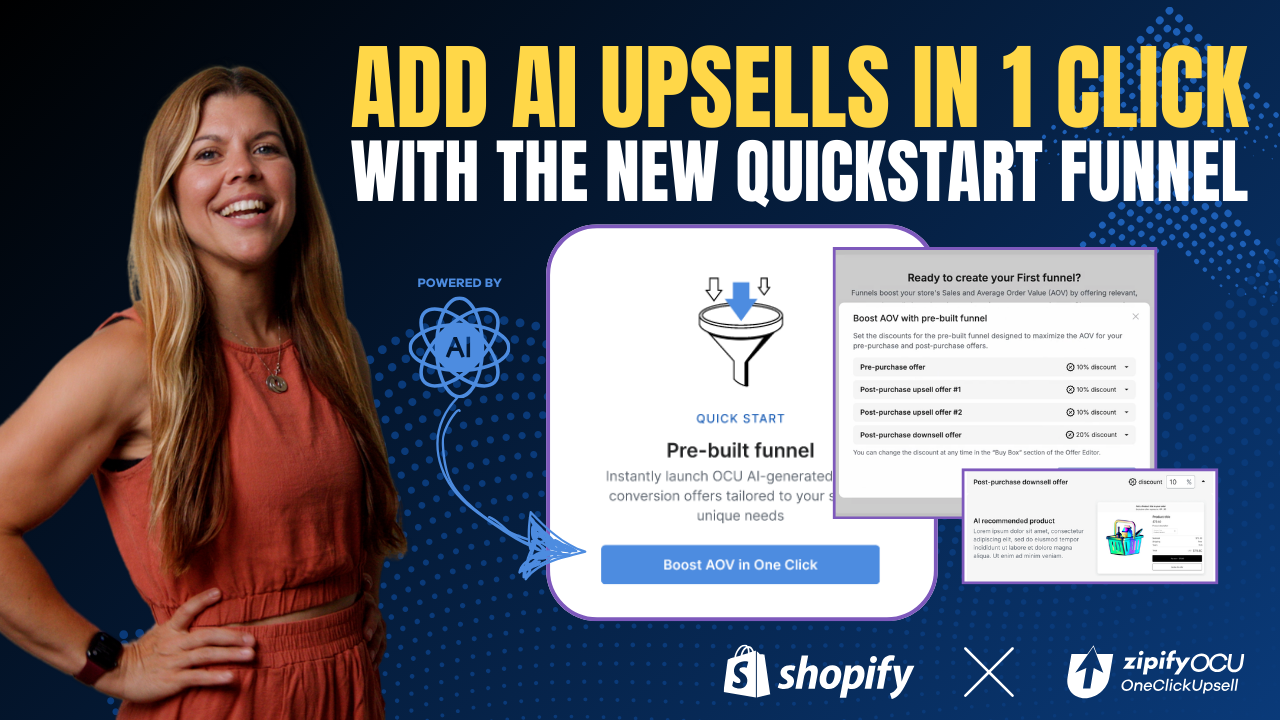
In today’s hyper-competitive world, sales teams cannot afford to wait. Prospects expect immediate responses, highly personalized interactions and seamless journeys. Traditional sales funnels — linear, manual and time-consuming — simply don’t cut it anymore. Enter artificial intelligence (AI), which is rapidly transforming how businesses capture leads, qualify them and follow up — enabling faster conversions, higher efficiency and smarter decision-making.
1. Why Traditional Sales Funnels Are Falling Behind
Pain points of manual funnels:
- Sales reps spend ~72% of their time on non-selling tasks like data entry, follow-ups and scheduling.
- Leads often respond poorly to generic outreach because one-size-fits-all messaging lacks personalisation.
- Slow response times kill momentum — prospects move on before your team even qualifies them.
- Funnel drop-offs are high because engagement, nurturing and conversions aren’t optimised in real-time.
What’s changed in buyer behaviour
- Buyers engage across multiple channels (social, mobile, web, chat) in a non-linear journey.
- They expect instant, relevant responses and personalised experiences.
- With more data available, expectantly they want brands to understand them rather than ask them to start from scratch.
- Marketing and sales teams must move faster, make decisions smarter and orchestrate multiple touch-points seamlessly.
2. The AI-Powered Sales Funnel: Key Components
2.1 Lead Capture & Awareness
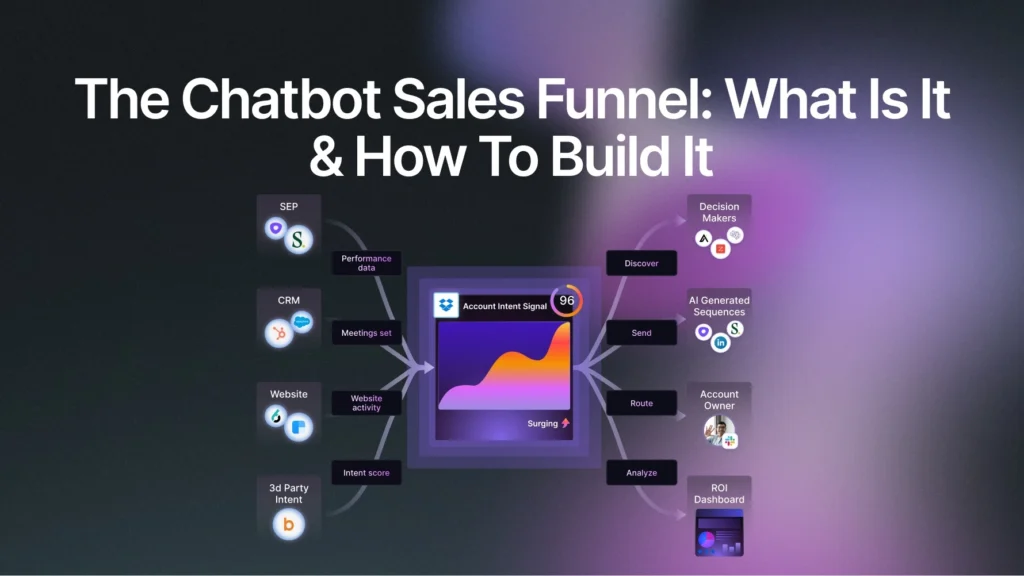
- AI tools analyse visitor behaviour, digital footprints and engagement signals (downloads, page views, chat interactions) to identify high-potential visitors.
- Chatbots and conversational AI engage immediately when visitors show intent, e.g., dwell time on pricing page or exit intent from landing page.
- Micro-segmentation: AI slices audiences into fine-grained clusters based on their behaviour, preferences and likelihood to convert
2.2 Lead Qualification & Scoring
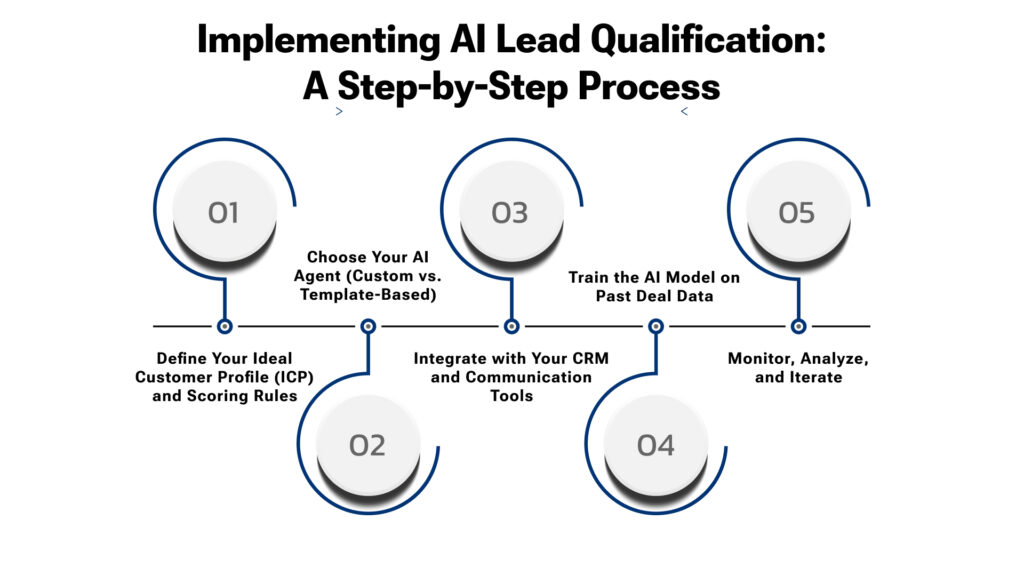
- AI assigns lead scores in real-time, using demographic data + behaviour + firmographics (for B2B) to prioritise who gets immediate attention.
- Low-fit leads can be nurtured automatically; high-intent leads routed directly to sales reps or triggered for fast follow-up.
- Automation reduces human error, boosts speed of response and ensures that the right leads go to the right place at the right time.
2.3 Lead Nurturing & Follow-Ups
- AI systems automatically send personalised messages (email, SMS, chat) triggered by behaviours: e.g., download, no-show, cart abandonment.
- Content personalisation at scale: dynamic landing pages, tailored offers, optimised timing.
- Real-time optimisation: if engagement drops, AI recommends alternate path, adjusts messaging or retargets lead with different offer.
3. Real-World Impact: What the Numbers Say
- Firms using AI-powered funnels report 10-30% higher conversion rates compared to manual systems.
- Lead response times drop dramatically; e.g., from 48 hours to under 90 seconds in one case study.
- Companies with data-driven sales processes are 58% more likely to exceed revenue targets.
- Funnels optimised in real time by AI see a ~30% reduction in drop-offs.
These figures show that this is not hype: AI is delivering measurable impact across the funnel.